
Johnston Lawn Seeding Services
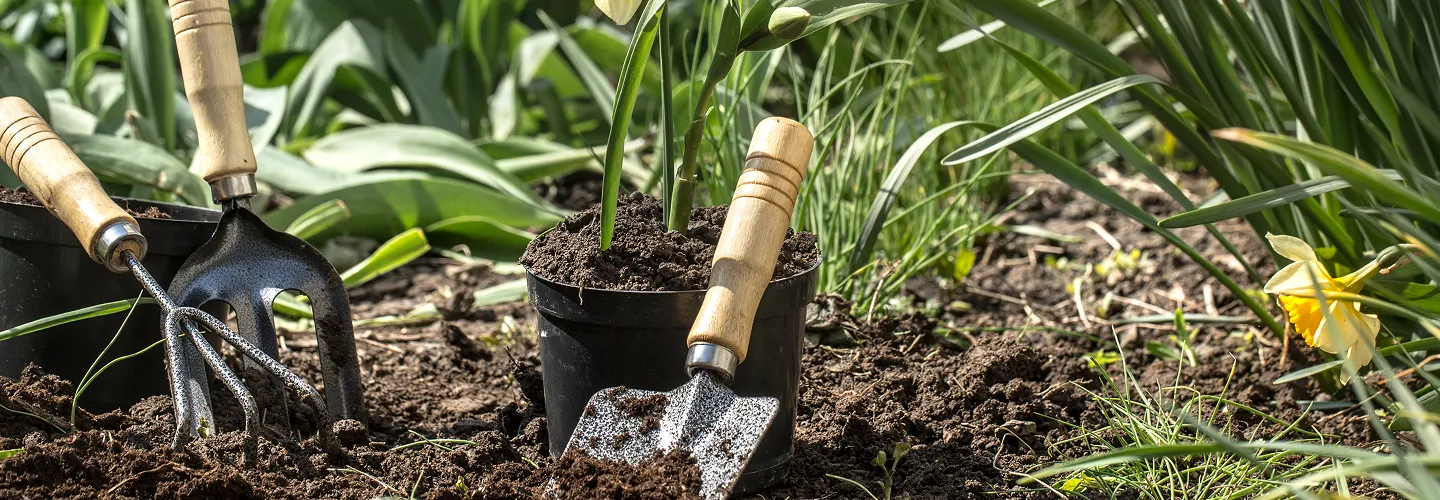
Choose our expert lawn seeding services for a lush, healthy yard—our proven methods ensure even growth, improved soil health, and long-lasting results you can enjoy all season.
Get a Free QuoteOur Johnston Landscaping & Yard Care Services
When to Schedule Lawn Seeding in Johnston, Rhode Island – Seasonal Guide
In Johnston, Rhode Island, the best time to schedule lawn seeding is typically in late summer to early fall, when soil temperatures remain warm but the air begins to cool. This window—usually from late August through mid-September—allows new grass seed to establish strong roots before the first frost. The local climate, characterized by humid summers and cold winters, means timing is crucial to avoid periods of drought or excessive rainfall that can hinder seed germination. Neighborhoods near Snake Den State Park or along Atwood Avenue often experience varying shade coverage and soil types, which can also impact the success of seeding.
When planning your lawn seeding, consider Johnston’s average frost dates and the risk of late-spring cold snaps. Areas with dense tree canopies, such as those near Memorial Park, may require special attention to soil preparation and seed selection. For more information on local environmental guidelines, visit the Sudbury municipal resource.
Local Factors to Consider for Lawn Seeding in Johnston
- Tree density and shade coverage
- Soil composition and drainage
- Terrain slope and erosion risk
- Average precipitation and drought periods
- Proximity to local landmarks (e.g., Snake Den State Park)
- Municipal watering or landscaping restrictions
Benefits of Lawn Seeding in Johnston
Thicker, Healthier Lawns
Improved Curb Appeal
Enhanced Weed Resistance
Customized Grass Selection
Cost-Effective Lawn Solutions
Expert Local Knowledge

Johnston Lawn Seeding Types

Cool-Season Grass Seeding
-
Warm-Season Grass Seeding
-
Overseeding Existing Lawns
-
Erosion Control Seeding
-
Native Grass Seeding
-
Sports Turf Seeding
-
Shade-Tolerant Grass Seeding
Our Lawn Seeding Process
Site Evaluation
Soil Preparation
Seed Selection
Seeding Application
Watering and Maintenance
Why Choose Johnston Landscape Services
-
Johnston Homeowners Trust Us
-
Expert Lawn Maintenance
-
Reliable Scheduling
-
Competitive Pricing
-
Professional Team
-
Satisfaction Guarantee
-
Personalized Service
Johnston’s Glacial Till Soils: Site Preparation and Seeding Depth Requirements
Lawn seeding in Johnston must account for the town’s predominant glacial till soils, which are typically classified as Inceptisols and Udults according to the USDA Web Soil Survey. These soils are moderately acidic (pH 5.5-6.5), often rocky, and can be poorly drained, especially in low-lying areas. Proper site preparation is essential: remove surface stones, till to a depth of 4-6 inches, and incorporate 2-3 inches of compost to improve structure. Soil testing is recommended through the University of Rhode Island Cooperative Extension (typical cost: $15-25). For optimal germination, seed should be sown at a depth of 1/8 to 1/4 inch. Lime application is advised if pH is below 6.0. Core aeration to a depth of 2-3 inches is beneficial for compacted sites.
Optimal Lawn Seeding Timing and Weather Patterns in Johnston
Johnston is located in USDA Hardiness Zone 6b, with a typical spring seeding window from April 15 to May 30 (soil temperature 50-65°F) and a fall window from August 20 to September 30. Fall seeding is generally preferred due to reduced weed competition and more consistent rainfall. The National Weather Service Boston/Norton Office provides local forecasts to help schedule seeding around rainfall events, which are critical for seed establishment. Avoid seeding during the summer heat (June-August) to prevent drought stress. Key timing guidelines include:
- Spring seeding: April 15 – May 30
- Fall seeding: August 20 – September 30
- Avoid: June-August (heat stress period)
- Monitor soil temperature: 50-65°F for cool-season grasses
Municipal Coordination: Yard Waste Collection and Seeding Compliance in Johnston
Proper disposal of lawn debris and compliance with local ordinances are essential during seeding projects. Johnston’s Department of Public Works oversees weekly yard waste collection every Thursday from April through November. Accepted materials include grass clippings, leaves, and brush under 4 feet, placed in biodegradable bags or 32-gallon bins (plastic bags and branches over 4 inches in diameter are prohibited). Equipment operation for seeding and site preparation is permitted:
- Monday-Friday: 7:00 AM – 7:00 PM
- Saturday: 8:00 AM – 6:00 PM
- Sunday and holidays: Prohibited
Johnston RI Department of Public Works
1385 Hartford Avenue, Johnston, RI 02919
Phone: (401) 231-4000
Official Website: Johnston RI Department of Public Works
All seeding activities must comply with Johnston Town Ordinances regarding noise, hours, and property line setbacks.
Environmental Compliance: Wetland Buffers and Stormwater Protection in Johnston
Lawn seeding near wetlands, streams, or conservation areas in Johnston requires strict adherence to buffer regulations. A standard 25-foot no-disturbance buffer is enforced from the edge of wetlands, and no fertilizer or seed may be applied within this zone. The town’s MS4 permit, regulated under the Clean Water Act and Rhode Island Environmental Rights Act, prohibits grass clippings and soil from entering storm drains. Best practices include:
- Maintain 25-foot buffer from wetlands
- No fertilizer within 50 feet of water bodies
- Use erosion control (straw mulch, silt fence) on slopes >5%
- Sweep sidewalks and driveways after seeding
Rhode Island Department of Environmental Management
235 Promenade Street, Providence, RI 02908
Phone: (401) 222-4700
Official Website: Rhode Island Department of Environmental Management
Species Selection and Turf Recommendations for Johnston’s Microclimate
Selecting appropriate turfgrass species is critical for long-term success in Johnston’s climate. Recommended cool-season grasses include Kentucky bluegrass (Poa pratensis), perennial ryegrass (Lolium perenne), and fine fescue (Festuca spp.). For shaded areas, ‘Midnight’ Kentucky bluegrass and creeping red fescue are preferred. Seeding rates should be 2-3 lbs per 1,000 sq ft for blends. For improved establishment:
- Use certified seed mixes suited for Zone 6b
- Apply starter fertilizer (0.5-1 lb nitrogen/1,000 sq ft)
- Water daily until germination, then reduce frequency
- Avoid high-phosphorus fertilizers near water bodies
Consult the University of Rhode Island Cooperative Extension for updated turf recommendations and soil test services.
What Neighborhoods Do We Serve Throughout Johnston, RI?
- Thornton: Features older residential lots with compacted glacial till soils and moderate drainage challenges, requiring thorough aeration and soil amendment before seeding.
- Simmonsville: Characterized by mature tree cover and shaded lawns, necessitating shade-tolerant grass species and careful debris management during seeding.
- Hughesdale: Contains a mix of historic homes and newer developments, with variable soil pH and occasional wetland proximity, making buffer compliance and soil testing essential.
- Cherry Hill: Suburban area with larger lots and moderate slopes, where erosion control measures and proper seedbed preparation are critical for successful establishment.
- Manton: Located near the Woonasquatucket River, this area requires strict adherence to wetland buffer regulations and stormwater protection practices during seeding.
- Graniteville: Features rocky soils and limited topsoil depth, demanding additional compost incorporation and shallow seeding techniques for optimal turf growth.
- Belknap: Includes newer subdivisions with fill soils and potential compaction, where core aeration and soil testing are recommended prior to seeding.