
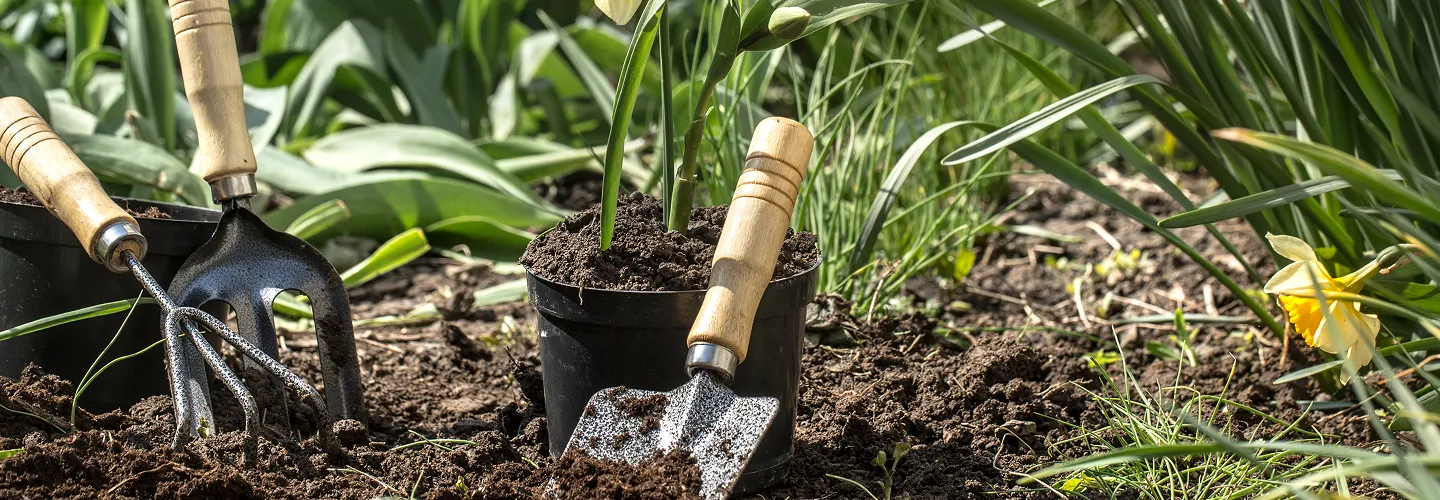
Johnston Hedging Services
Choose Johnston Hedging Services for precision-crafted hedges that enhance privacy, boost curb appeal, and are tailored to thrive in your landscape—delivered with reliability and expert care.
Get a Free QuoteOur Johnston Landscaping & Yard Care Services
When to Schedule Hedging in Johnston, Rhode Island – Seasonal Guide
In Johnston, Rhode Island, the best times to schedule hedging are typically late spring and early fall. These periods offer moderate temperatures and consistent rainfall, which help shrubs and hedges recover quickly after trimming. The local climate, with its humid summers and cold winters, means that hedging too early in spring or too late in fall can expose plants to frost damage or stress from summer heat. Neighborhoods near Snake Den State Park and along Atwood Avenue often experience microclimates, with shaded areas and varying soil types that can influence the ideal timing for maintenance.
Local environmental factors such as the last frost date—usually in late April—and the risk of summer droughts should be considered when planning your hedging schedule. Areas with dense tree coverage, like those near Johnston Memorial Park, may require more frequent attention due to increased shade and moisture retention. For more information on local weather patterns and municipal guidelines, you can consult the Sudbury town resources.
Local Factors to Consider for Hedging in Johnston
- Tree density and shade coverage in your yard
- Soil type and drainage, especially in neighborhoods with clay-heavy soils
- Average precipitation and risk of summer drought
- Proximity to landmarks like Snake Den State Park, which can affect microclimates
- Municipal restrictions or guidelines on landscaping and green waste disposal
Benefits of Hedging in Johnston
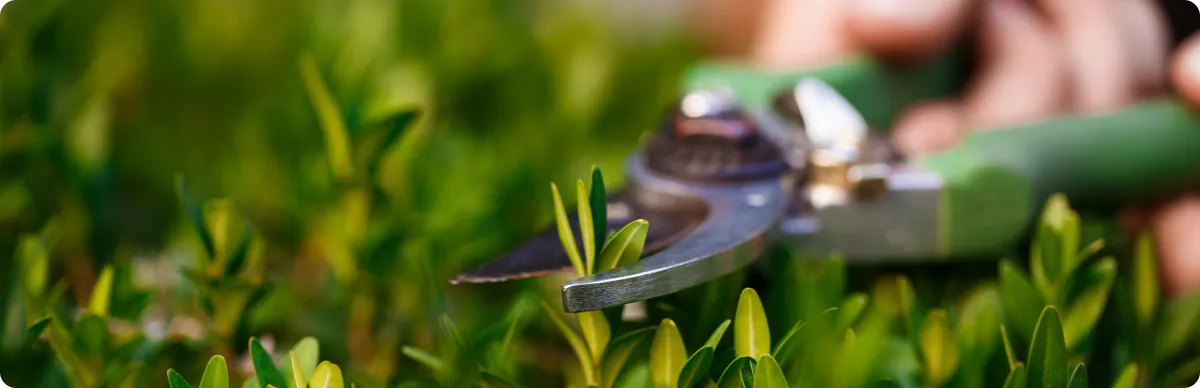
Enhanced Curb Appeal
Improved Property Value
Professional Hedge Shaping
Year-Round Landscape Health
Pest and Disease Prevention
Customized Maintenance Plans
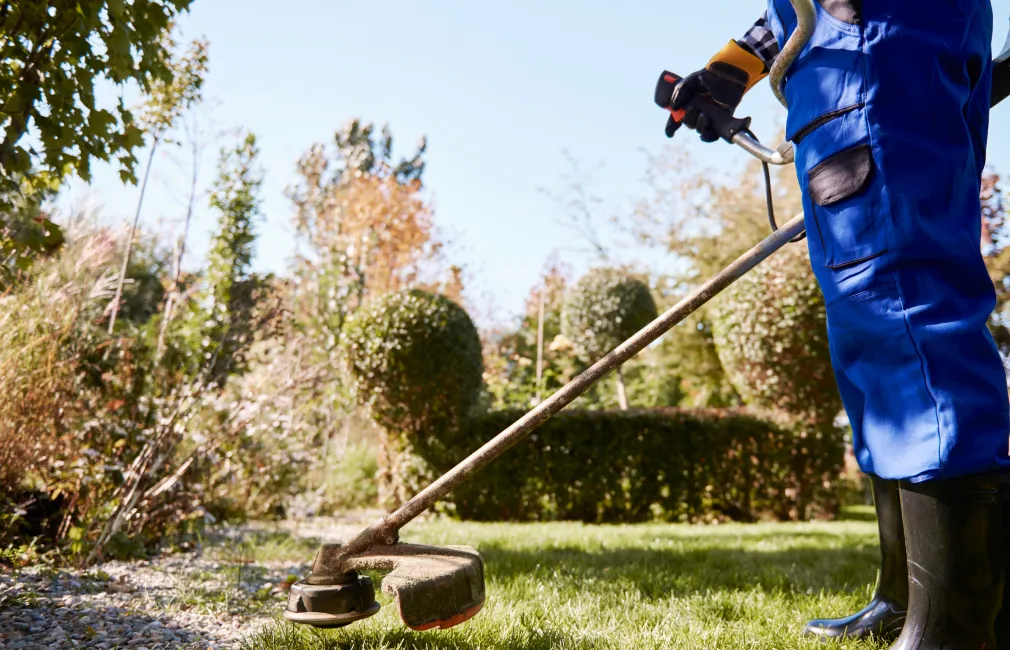
Johnston Hedging Types

Boxwood Hedges
-
Privet Hedges
-
Yew Hedges
-
Laurel Hedges
-
Holly Hedges
-
Beech Hedges
-
Hornbeam Hedges
Our Hedging Process
Consultation and Planning
Site Preparation
Precision Trimming
Cleanup and Inspection
Why Choose Johnston Landscape Services
-
Johnston Homeowners Trust Us
-
Expert Lawn Maintenance
-
Reliable Scheduling
-
Competitive Pricing
-
Professional Team
-
Satisfaction Guarantee
-
Personalized Service
Hedging Ordinances and Permit Requirements in Johnston
Hedging activities in Johnston are governed by specific municipal ordinances to ensure public safety, property line clarity, and environmental protection. According to the Johnston Town Code, hedges and shrubs must not obstruct sidewalks or public rights-of-way, and any installation or major trimming within 10 feet of a property line may require a permit from the Planning Division. Permit applications typically require a site plan and a $50 fee, with a review period of 7-10 business days. Height restrictions for front yard hedges are generally set at 4 feet, while side and rear yard hedges may reach up to 6 feet, provided they do not block sightlines at intersections. For properties adjacent to wetlands, a 25-foot no-disturbance buffer is enforced. Residents should consult the full Johnston Town Ordinances for detailed requirements.
Johnston RI Planning Division
Johnston Municipal Building, 1385 Hartford Avenue, Johnston, RI 02919
Phone: (401) 231-4000
Official Website: Johnston RI Planning Division
Soil Series and Drainage Considerations for Hedging in Johnston
Johnston’s soils are predominantly Inceptisols and Udults, with glacial till and coastal sandy soils common throughout the area. According to the USDA Web Soil Survey, these soils are moderately acidic (pH 5.5-6.5) and often poorly drained, especially in low-lying neighborhoods. When establishing hedges, it is essential to:
- Conduct a soil test (available through University of Rhode Island Cooperative Extension; $15-25 per sample)
- Amend with compost (2-3 inches tilled to 6-inch depth) to improve drainage
- Apply lime if pH is below 6.0
- Select species tolerant of wet or compacted soils, such as inkberry holly (Ilex glabra) or winterberry (Ilex verticillata) Proper site preparation reduces root rot risk and supports healthy hedge growth in Johnston’s variable soils.
Seasonal Timing and Climate Zone Guidance for Hedge Maintenance in Johnston
Johnston is located in USDA Hardiness Zone 6b, with average annual minimum temperatures of -5°F to 0°F. The optimal window for hedge planting and major pruning is April 15 to June 15, when soil temperatures reach 50-60°F and risk of late frost has passed. Fall pruning should be completed by September 30 to allow new growth to harden before winter. Avoid heavy trimming from October through March to prevent cold damage. The National Weather Service Boston/Norton Office provides up-to-date local forecasts to guide timing. For evergreen species, late spring is preferred, while deciduous hedges can be pruned in early spring before bud break. Annual maintenance should include:
- Spring fertilization (early May)
- Mulching (2-3 inches, keeping away from stems)
- Inspection for winter injury after snowmelt
Municipal Debris Collection and Disposal Protocols for Hedge Trimmings
Proper disposal of hedge trimmings in Johnston is managed through the Department of Public Works’ weekly yard waste collection program, running every Thursday from April through November. Accepted materials include leaves, grass clippings, and brush under 4 feet in length and 4 inches in diameter. Residents must use biodegradable paper bags or reusable bins (32-gallon maximum); plastic bags are prohibited. Large branches or excessive volumes require a special pickup request. To comply with MS4 stormwater regulations, do not place trimmings in the street or near storm drains. Violations may result in fines under local ordinance. For questions about collection schedules or special pickups:
Johnston RI Department of Public Works
1385 Hartford Avenue, Johnston, RI 02919
Phone: (401) 231-4000
Official Website: Johnston RI Department of Public Works
Environmental Compliance: Wetland Buffers and State Stormwater Regulations
Hedging near wetlands, streams, or conservation areas in Johnston requires strict adherence to both local and state environmental regulations. The Rhode Island Environmental Rights Act mandates a minimum 25-foot no-disturbance buffer from all regulated wetlands, with additional restrictions for properties within 50 feet of water bodies. The town’s MS4 permit, administered by the Rhode Island Department of Environmental Management, prohibits the disposal of yard waste or soil amendments in storm drains or buffer zones. When planning hedge installation or removal:
- Maintain all plantings outside the 25-foot buffer
- Use silt fencing if soil disturbance is necessary near protected areas
- Avoid fertilizer or pesticide application within 50 feet of water bodies
- Consult the Clean Water Act for federal requirements
What Neighborhoods Do We Serve Throughout Johnston, RI?
- Thornton: Features older homes with compacted glacial till soils and mature landscaping, requiring careful root zone preparation for new hedges.
- Simmonsville: Characterized by moderate slopes and proximity to Pocasset River, necessitating erosion control and strict wetland buffer compliance.
- Cherry Hill: Newer developments with sandy soils and larger lots, allowing for privacy hedges but requiring supplemental irrigation during establishment.
- Hughesdale: Dense residential area with narrow lots and overhead utilities, making hedge height and setback regulations especially important.
- Belknap: Near conservation land and wetlands, subject to additional environmental restrictions and buffer requirements for all hedging work.
- Manton: Mix of historic and modern properties, with variable soil drainage and frequent need for debris management due to mature trees.
- West End: Includes floodplain areas and limited access for large equipment, requiring hand tools and careful debris containment during hedge maintenance.